The infrastructure and logistics market is moving fast. Automation, robotics, IoT, and data-driven supply chain systems are changing how industrial structures are planned, operated, and managed.
At the same time, requirements for transparency, integration, and sustainability are increasing. Companies expect real-time visibility across supply chains, reliable CO₂ data, and systems that integrate seamlessly into existing infrastructure.
For providers, it's becoming harder to make their role in the market clearly recognizable. Solutions often emerge from the interplay of many systems and partners.
Marketing is also changing. More data, tools, and content alone don't create clarity in the market.
Technological strength alone doesn't create market impact.
What matters is how clearly solutions are positioned within complex infrastructure.
Infrastructure technologies are rarely evaluated in isolation. Automation, robotics, IoT platforms, and supply chain systems are part of larger system landscapes. What matters, therefore, isn't the individual function — it's the contribution a solution makes to the overall system.
Competition is increasingly decided by whether providers can make their role in the overall system clearly visible and remain present throughout long decision processes.
Automation systems, robotics, IoT platforms, and supply chain technologies typically deliver their value only in combination with other systems.
Providers therefore need to explain what concrete contribution their technology makes within complex infrastructures. Only then does it become clear to decision-makers where a solution creates value.
The infrastructure and logistics market is increasingly evolving into interconnected system landscapes. Platform providers, infrastructure technologies, and specialized software solutions are becoming more tightly integrated.
For providers, it becomes critical to clearly position their role within these structures and demonstrate how they differ from other solutions.
Investment decisions in infrastructure rarely happen quickly. Companies typically evaluate technologies over extended periods, involving technical, operational, and strategic stakeholders.
Providers therefore need to become visible early and remain present throughout many decision phases. Demand doesn't emerge from individual campaigns — it requires continuous market presence.
Sustainability and transparency are increasingly becoming decision criteria in the infrastructure and logistics market. Companies expect reliable data on emissions, energy consumption, and supply chains.
Providers therefore need to not only develop technological solutions, but also demonstrate the contribution their systems make to transparency, efficiency, and sustainable infrastructure.
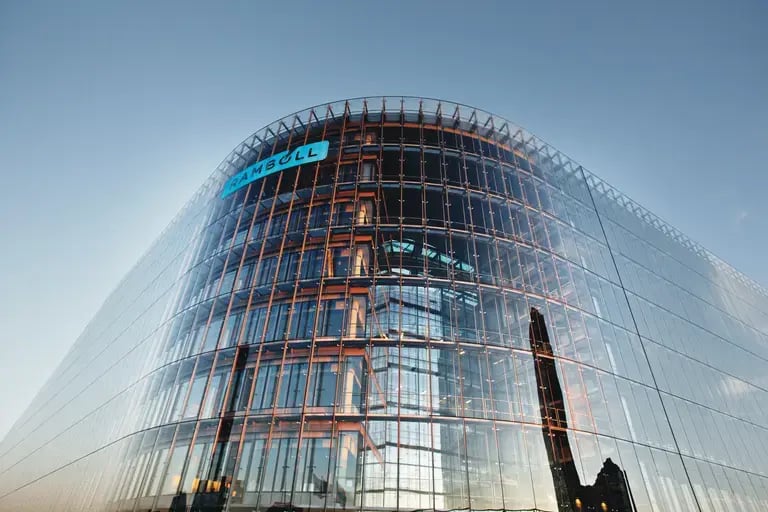
Ramboll drives growth with a targeted brand awareness campaign: A comprehensive, data-driven approach delivered impressive results that exceeded all expectations.

E-mobility startup Wirelane generates a whopping 1,600 leads in just 4 months with a finely orchestrated lead gen campaign across Google Ads, LinkedIn and other channels.